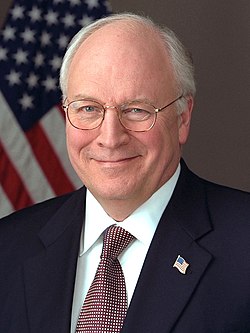
Photo source: Wikipedia
Lately, former Vice President Dick Cheney has been doing a massive publicity tour for his memoir. The book focuses on his long career in politics, including the infamous decisions he made (i.e., war crimes committed) during his time in the Bush administration. Throughout his media tour, he has been defending his vice presidency and the decisions he made. In an interview on NBC News Dateline, Cheney defended “enhanced interrogation” (a political euphemism for torture), waterboarding (a torture technique), wiretapping, and using secret prisons. However, it is important to remind ourselves of the Bush administration’s sheer criminality and Cheney’s participation in it.
The most egregious crime committed by the Bush administration is aggressive war. The United States, under the Bush administration, waged aggressive war against two countries — Iraq and Afghanistan. International law restricts the use of force in international relations but allows it in only two situations, namely self-defense or authorization from the United Nations Security Council. Otherwise, the act is an illegal war of aggression, which the International Criminal Court has jurisdiction over. As the Nuremberg Tribunal states, aggressive war is the “supreme international crime”. Read the rest of this entry »
 Forty years ago, on April 3, 1969, more than 800 people met in Stanford University’s Dinkelspiel Auditorium to form what became known as the April Third Movement (A3M). This movement called upon Stanford and the Stanford Research Institute, which was owned by the university, to halt chemical and biological warfare research, classified research and other programs related to the Vietnam War. The April Third Movement was more than just an activist movement that took place at Stanford. It was part of a national youth movement that mobilized against America’s colonial and atrocious war in Southeast Asia. This movement occurred on university campuses across America, in which students organized sit-ins, teach-ins and rallies, printed flyers and occupied buildings to express moral outrage against and put an end to the war in Vietnam. Through their hard work and passionate organizing, Stanford students were successful in eliminating classified research at Stanford and contributed to the popular movement that ended the Vietnam War.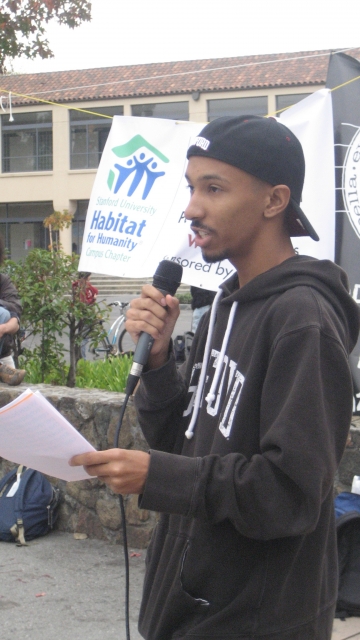
 Blues African